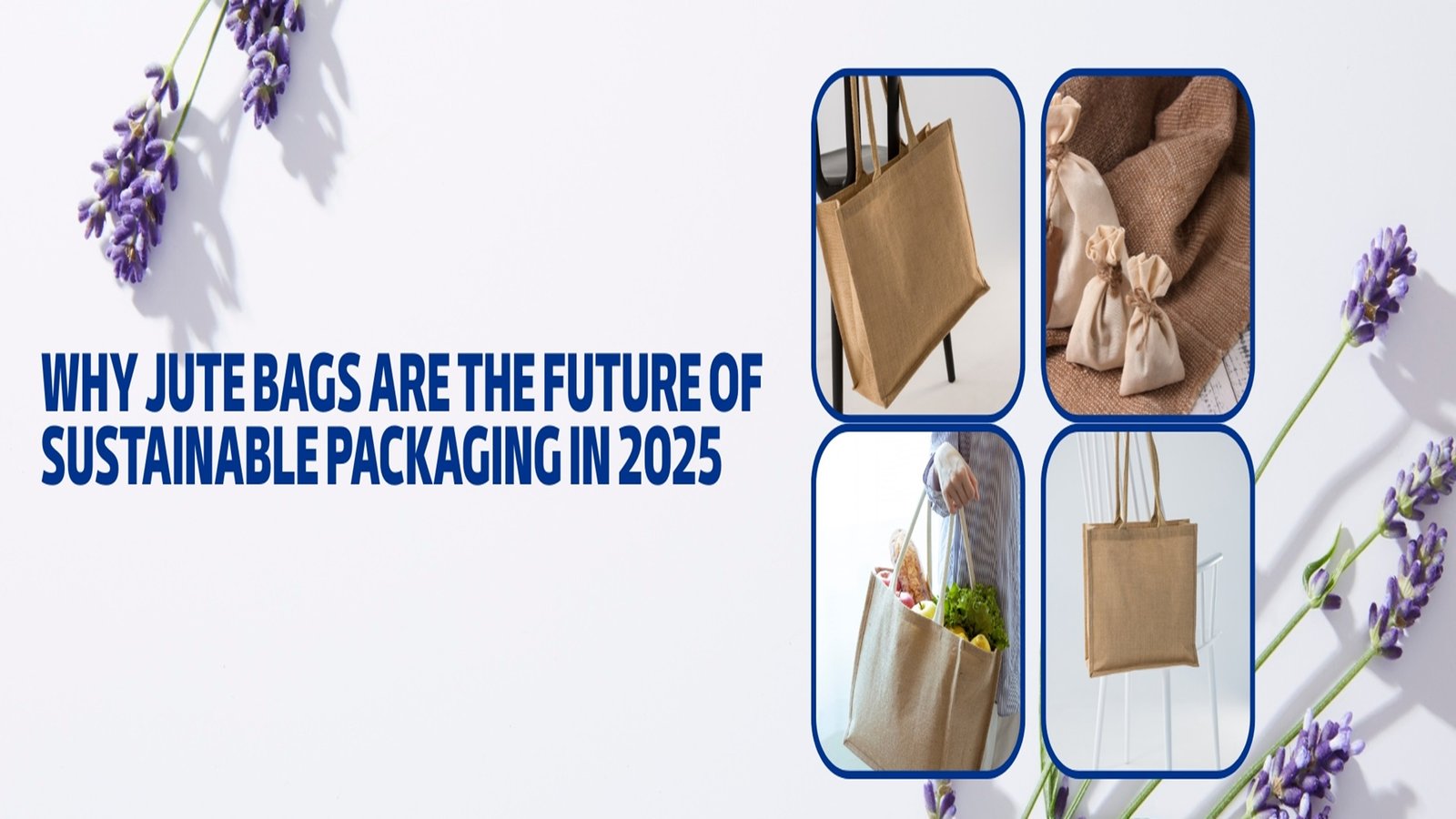
As we move into 2025, businesses, governments, and conscious consumers are finally addressing the urgent need to reduce plastic waste. With landfills overflowing and oceans choking with single-use plastic, the search for sustainable packaging alternatives is no longer optional—it’s essential. Among all eco-friendly packaging options, jute bags have emerged as a clear front-runner.
Strong, biodegradable, reusable, stylish, and highly affordable, jute bags offer everything modern businesses need—from retail and FMCG packaging to B2B gifting, corporate branding, and export orders.
This in-depth blog explains why jute bags are the future of sustainable packaging in 2025, what makes them superior, and how businesses can adopt them effectively.
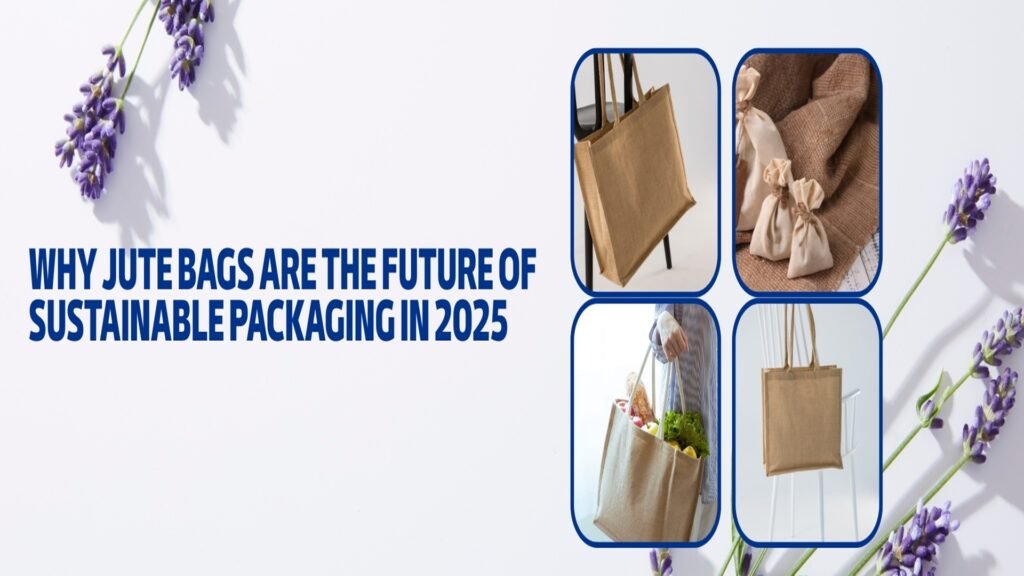
What Makes Jute Bags a Leader in Sustainable Packaging?
100% Natural and Completely Biodegradable
Jute is a natural plant fiber, unlike plastic, which stays in the environment for hundreds of years. A jute bag decomposes naturally within 2–3 years and leaves behind no harmful residue. This makes jute bags one of the safest and most environmentally friendly packaging options available today.
Minimal Environmental Footprint
Jute farming requires:
- No chemical fertilizers
- No pesticides
- Very little water
Compared to cotton or synthetic fabrics, jute cultivation is extremely eco-friendly. It grows quickly, enriches the soil, and requires minimal resources, making it the perfect raw material for sustainable packaging solutions.
Rising Global Demand for Eco-Friendly Packaging in 2025
Governments Worldwide Are Pushing for Jute
More than 120 countries have already banned or restricted single-use plastic. India, too, has implemented strict regulations under the Plastic Waste Management Rules. This global shift toward sustainability is driving massive demand for jute bags.
Consumers Prefer Eco-Friendly Brands
Consumer behavior has changed dramatically. A 2025 study shows:
- 78% prefer buying from brands that use eco-friendly packaging
- 62% are willing to pay slightly more for sustainable products
- 90% of Gen-Z actively avoids plastic bags
This change in consumer mindset is a major reason why jute bags have become the preferred packaging choice for retailers and manufacturers worldwide.
The Economic Advantages of Choosing Jute Bags
Lower Production Costs
Compared to cotton, paper, or synthetic reusable bags, jute bags are significantly cheaper to produce—especially when manufactured in bulk. This makes them ideal for:
- Retail packaging
- FMCG brands
- Exporters
- Corporate gifting
- Event merchandise
Businesses can save a considerable amount by switching to jute bags without compromising on quality.
High Durability and Long Life
Jute fibers are naturally strong and long-lasting. A single jute bag can carry heavy loads and lasts much longer than cotton or paper bags. This durability reduces replacement costs and gives businesses better value for money.
Jute Bags Give Brands a Better Identity
Highly Customizable for Every Industry
Jute bags can be manufactured in a wide variety of:
- Sizes
- Shapes
- Colors
- GSM qualities
- Handle types
- Laminated finishes
- Printing and branding options
From corporate offices to supermarkets, the versatility of jute bags makes them suitable for hundreds of uses.
A Premium Look That Enhances Brand Image
Jute bags are naturally elegant and earthy. Using them instantly gives your brand a more premium, conscious, and environmentally responsible appearance. This is why many retail and lifestyle brands have already replaced plastic bags with printed jute bags.
Environmental Benefits That Make Jute Bags Irreplaceable
Zero Plastic and Zero Pollution
A single jute bag can replace hundreds of plastic bags in its lifetime. As more businesses aim for sustainability and cleaner ESG reporting, choosing jute bags becomes an easy, effective step toward reducing environmental harm.
Jute Cultivation Helps Restore Soil
Unlike crops that deplete soil nutrients, jute cultivation actually enriches the soil. It also supports carbon sequestration. Research shows that jute plants can absorb up to 15 tons of CO₂ per hectare, making them one of the most climate-friendly crops in the world.
Reusable and Recyclable
Even after years of usage, old jute bags can be:
- Recycled
- Composted
- Repurposed into new products
This perfectly supports the principle of a circular economy.
Why Businesses Are Switching to Jute Bags in 2025
Helps Achieve Sustainability Goals
Companies across the world are working to meet ESG (Environmental, Social, and Governance) standards. Switching to jute bags helps businesses:
- Reduce their environmental impact
- Improve brand perception
- Comply with global sustainability requirements
Cost-Effective for Bulk Orders
Bulk jute bag manufacturing is highly cost-effective. With more jute manufacturers emerging in India and Bangladesh, large orders have become affordable for industries of all sizes.
Customers Reuse Jute Bags for Years
This offers brands long-term visibility. When customers reuse jute bags for shopping or daily use, your brand continues to get free organic promotion.
Types of Jute Bags That Will Dominate the Market in 2025
Laminated Jute Bags
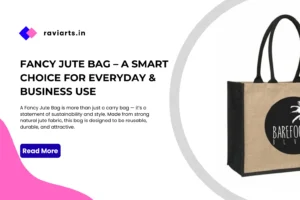
These bags look premium and are widely used in retail, events, and corporate gifting.
Jute Tote Bags
Trendy, lightweight, and spacious—these are a favorite among students and professionals.
Jute Grocery Bags
Supermarkets and organic stores are switching to strong, reusable jute grocery bags.
Jute Gift Bags
Perfect for weddings, corporate events, and festive gifting.
Jute Wine and Bottle Bags
High demand from export markets and premium beverage brands.
Challenges in the Jute Industry and Practical Solutions
Maintaining Quality
Some manufacturers cut costs by using low-grade fiber or weak stitching.
Solution: Choose certified vendors who provide proper GSM, stitching, and quality control.
Moisture Absorption
Traditional jute absorbs moisture, but laminated versions and waterproof jute have solved this issue in 2025.
Competition With Other Materials
Paper and cotton bags compete with jute, but none match its durability, cost-effectiveness, and environmental impact.
Future Trends: Why Jute Will Stay Strong Beyond 2025
Growing Global Export Demand
Countries like the USA, UK, Canada, Germany, and UAE are rapidly increasing imports of jute products for retail and packaging.
Innovation in Jute Textiles
New developments include:
- Waterproof jute
- Soft-touch jute
- High-strength woven jute
- Laminated designer jute
These innovations make jute even more relevant for modern packaging.
Corporate and Retail Adoption
With sustainability targets becoming stricter each year, businesses across every sector—from fashion to food—are switching to eco-friendly packaging like jute bags.
Conclusion: Jute Bags Are the Packaging Future
Jute bags are much more than a trend—they are a necessity for a world trying to move away from plastic. Affordable, reusable, durable, biodegradable, and visually appealing, jute bags offer everything modern businesses need.
In 2025 and beyond, jute will continue to dominate the sustainable packaging market because it delivers:
- Environmental safety
- Long-term cost savings
- Better brand value
- Strong customer appeal
- Compliance with sustainability laws
Switching to jute bags is not just a smart business decision—it’s a responsible step toward a cleaner, greener future.